You need You
Research proposal
Enhancing Caregiver Well-Being Through NeuroWell Care: A 60-Day Study
Introduction
WHAT:
This proposal aims to establish a pilot program specifically crafted to assist caregivers, with a strong emphasis on mothers, who are responsible for individuals with neurodivergent conditions, such as cerebral palsy, utilizing the NeuroWell Care approach.
The primary objectives of the program are to enhance their overall health, boost their resilience, and sharpen their mental clarity with NeuroWell Care Practices, despite the challenges that accompany caring for someone with a brain injury.
The program's goal is to reset the neurochemistry predispositions of participants' brain patterns that generate behaviors through daily activities that influence predisposition and create bias.
WHO:
Caregivers, particularly mothers, of individuals with neurodivergent conditions such as cerebral palsy.
WHY:
Caregivers of neurodivergent rank among the most stressed individuals in society, with mental health disorders like anxiety and depression being twice as prevalent among them compared to the general population.
Because this community is frequently stereotyped, patronized, and disregarded, caregivers must navigate a path of isolation and unpredictability. This pervasive but silent crisis is rarely discussed.
Caregivers bear the weight of immense responsibility, and their well-being significantly influences the care they provide.
HOW:
The caregiver receives a two-hour introduction training course along with daily practices and strategies for a duration of 60 days.
The approach integrates knowledge from neuroscience, biohacking methods, and behavioral recalibration, with a specific emphasis on the regulation of cortisol release and the facilitation of oxytocin release through the modulation of the hypothalamic-pituitary-adrenal (HPA) axis.
Problem Statement
Traditional methods of caregiver support typically prioritize palliative interventions, primarily drawing on external factors that are inherently unchangeable and continuous.
The community under consideration appears to have not yet included the use of unconscious neurochemical biohack components to address overall well-being.
Caregivers proactively pursue support through traditional therapy methods with little efficacy. As a result, a hidden health crisis endures, giving rise to a recurring pattern of heightened stress levels and the emergence of mental health disorders.
How does NeuroWell Care work
Using practices that are known to lower cortisol while raising mood-enhancement neurochemicals, it works by gradually creating neurochemical predispositions inside the internal system that govern predisposition inclinations.
The modulation of the brain-body system facilitates Long-Term Potentiation (LTP) for subsequent responses, promoting a state of adaptability and flexibility. This ultimately leads to the achievement of external harmony and long-term improvement in mood, even in the face of challenges experienced by caregivers of individuals with neurological disorders.
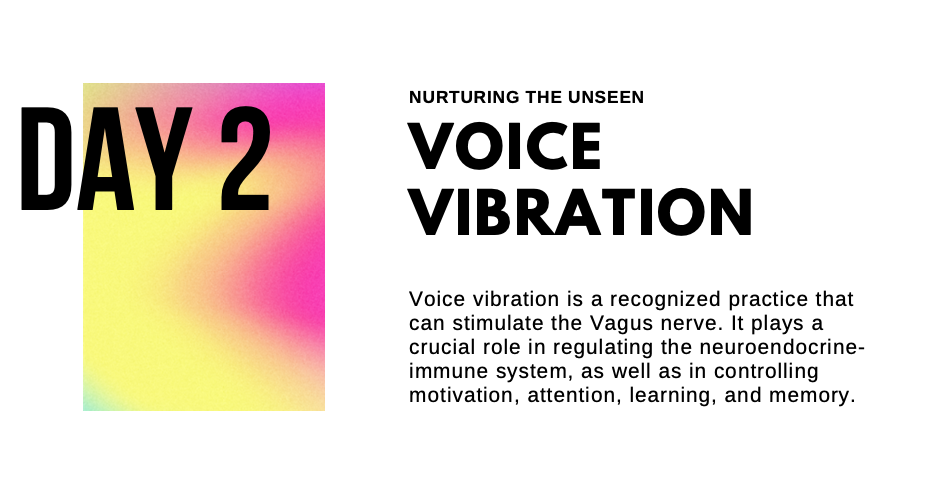
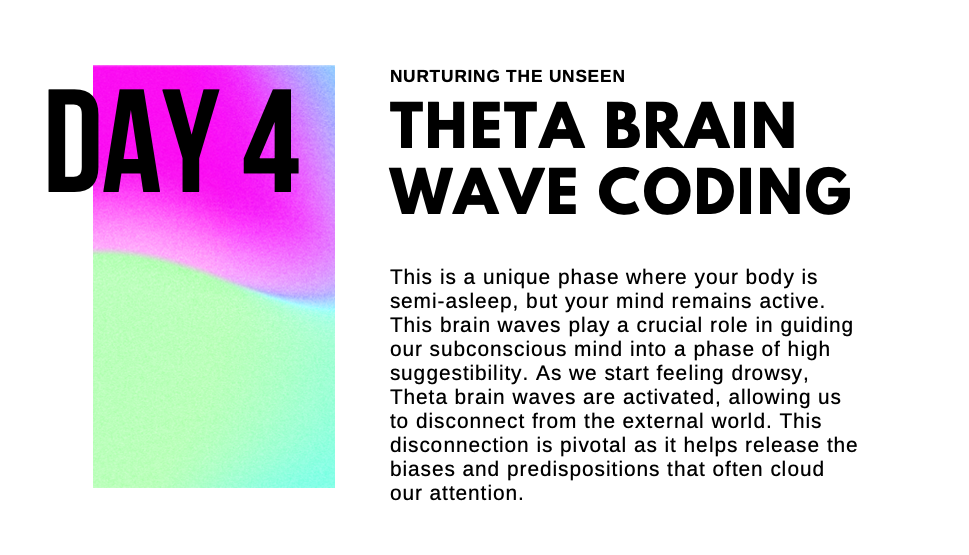
Examples of biohacks incorporated into the NeuroWell Care practice.
The following instances exemplify the integration of biohacks into the NeuroWell Care practice. The underlying principle of these biohacks is that by the use of these techniques, one can activate a process of reframing predispositions, resulting in an improved perception of personal experiences and increased resilience, even in the absence of alterations in external environmental conditions.
Objectives
To assess the impact of the NeuroWell Care program on the neurobiology and well-being of caregivers over a 60-day period.
To evaluate changes in caregiver stress levels, mental health, and overall quality of life before and after participation in the program.
To elucidate the neurobiological and psychological mechanisms through which the program influences caregiver overall mood lift.
To explore the potential of this program to serve as a model for addressing broader societal challenges related to the mental health of carevigers.
Methodology
Participant Recruitment: Caregivers (mothers) providing care to neurodivergent individuals or those with brain injuries will be recruited through online platforms, support groups, and healthcare providers.
Pre-Program Assessment: Participants will undergo a comprehensive well-being assessment, including surveys such as (MHC-LF), to measure stress levels, mental health, and quality of life.
Program Participation: Participants will engage in the 60-day NeuroWell Care program.
Post-Program Assessment: After completion, participants will undergo a second well-being assessment to measure changes in stress levels, mental health, and overall well-being.
Data Analysis: Data will be analyzed to assess the impact of the program on caregiver well-being, identify any neurobiological changes, and draw connections between caregiver and individual well-being.
Expected Outcomes
The study anticipates that participants who engage in the NeuroWell Care program will experience:
Brain patterns organization to reduce brain overload.
Significant reductions in stress levels, including reduced symptoms of mental disorders.
Enhanced overall well-being and quality of life via Eustress.
A deeper understanding of the neurobiological and psychological factors influencing their well-being.
Key Harnessing environmental attributes can create predispositions for biological processes, fostering adaptive physical changes in the brain in response to new stimuli.
Significance
This research has the potential to reframe caregiver support strategies by recognizing the integral role of a neurochemistry predispositions approach to reframe predisposition from the inside out. Ultimately, this study strives to provide caregivers with the tools and support they need for optimal stance to navigate the complexities of their roles while maintaining their own well-being.
Conclusion
This research proposal seeks to address the pressing issue of caregiver well-being from a neurochemistry predispositions perspective.
Research Reference

How simple a thing it seems to me that to know ourselves as we are, we must know our mothers names. Alice Walker